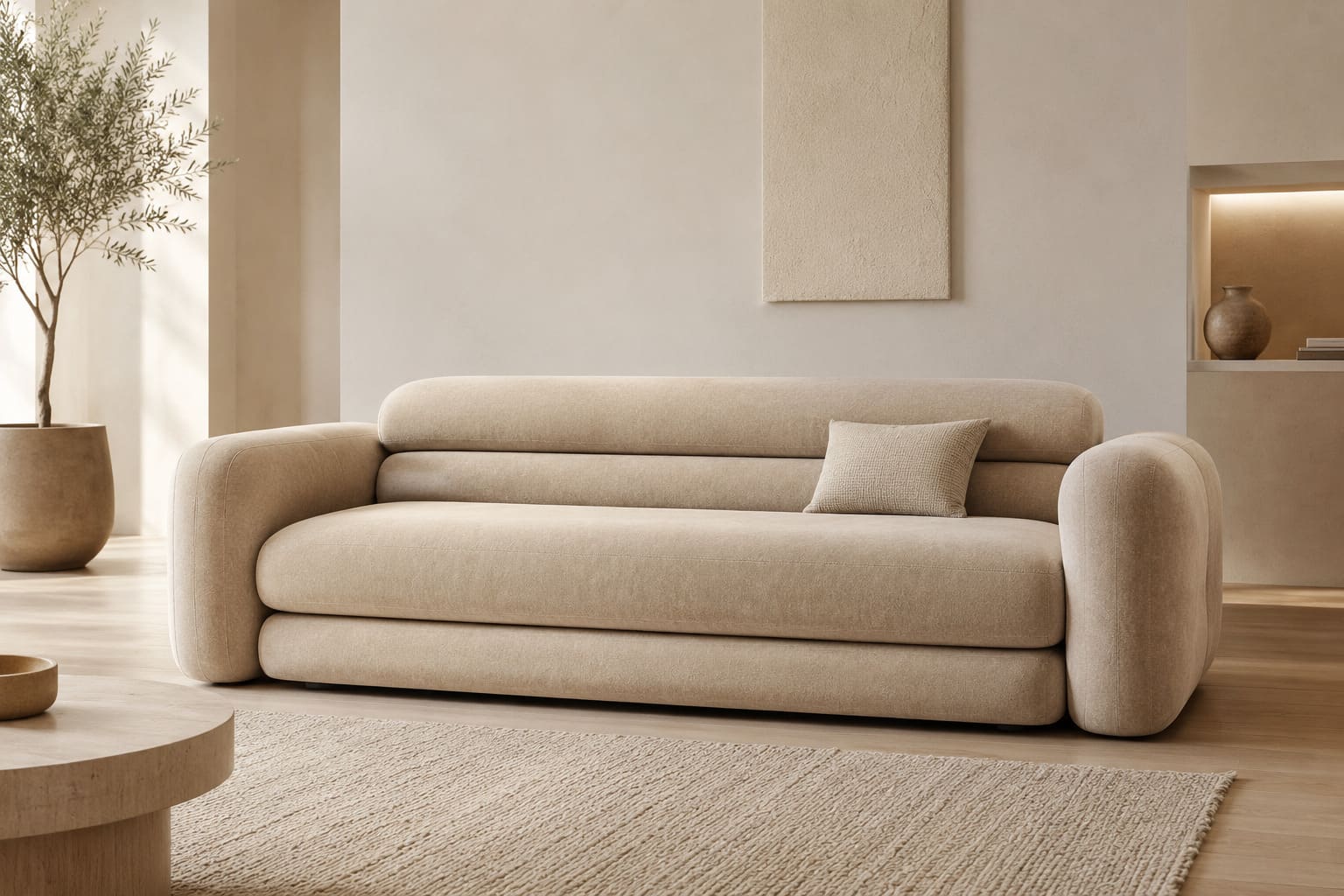
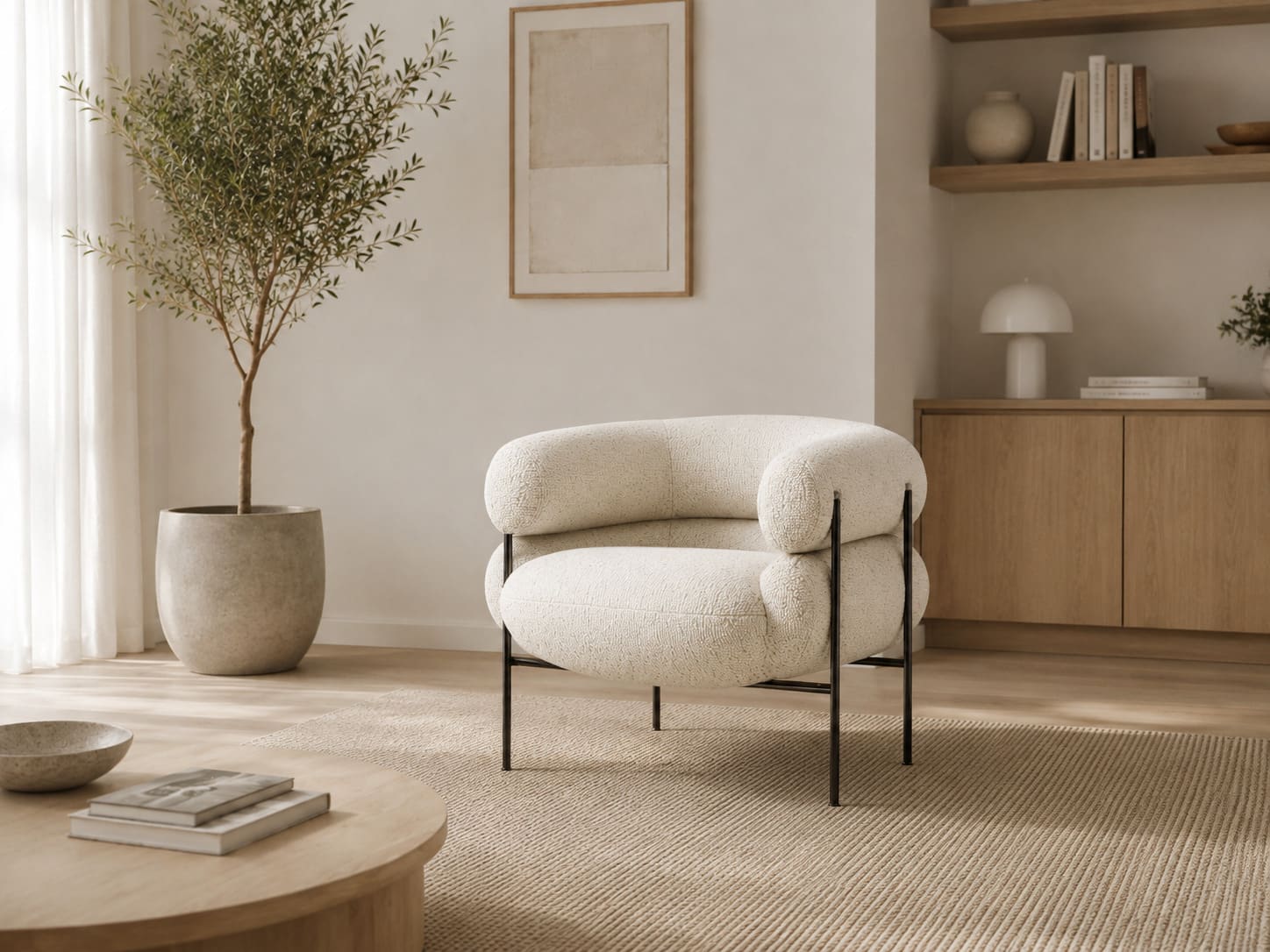
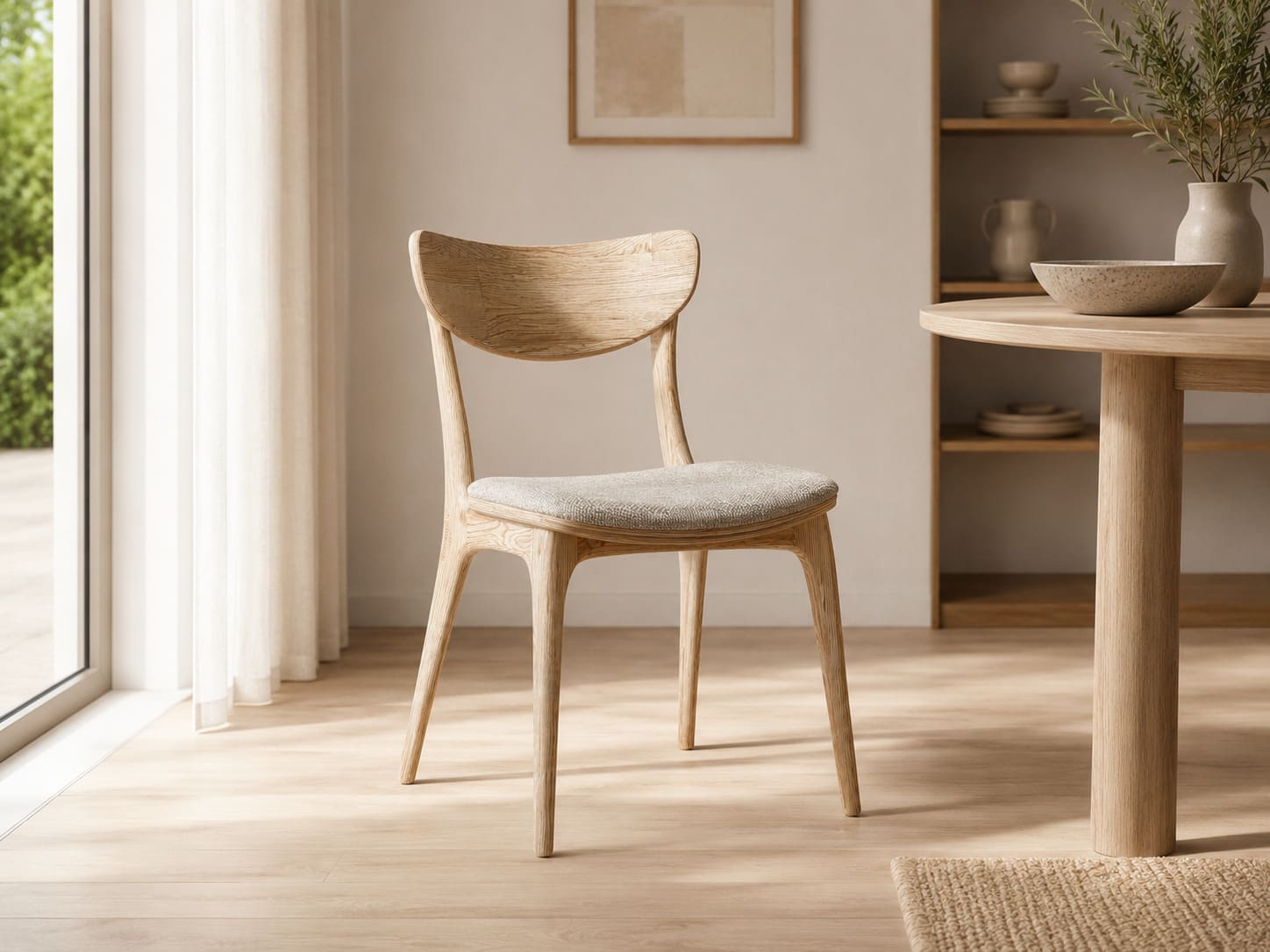
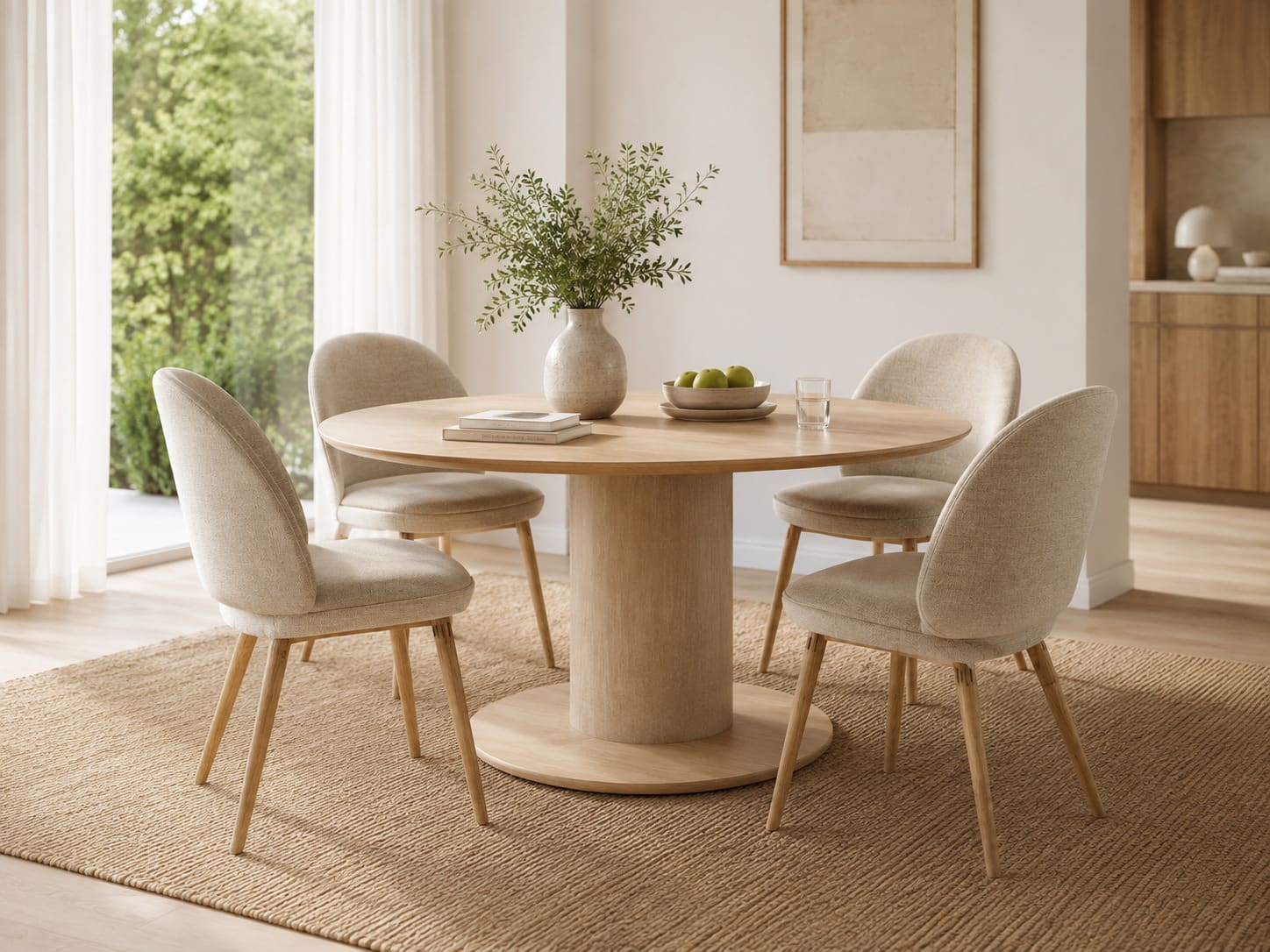
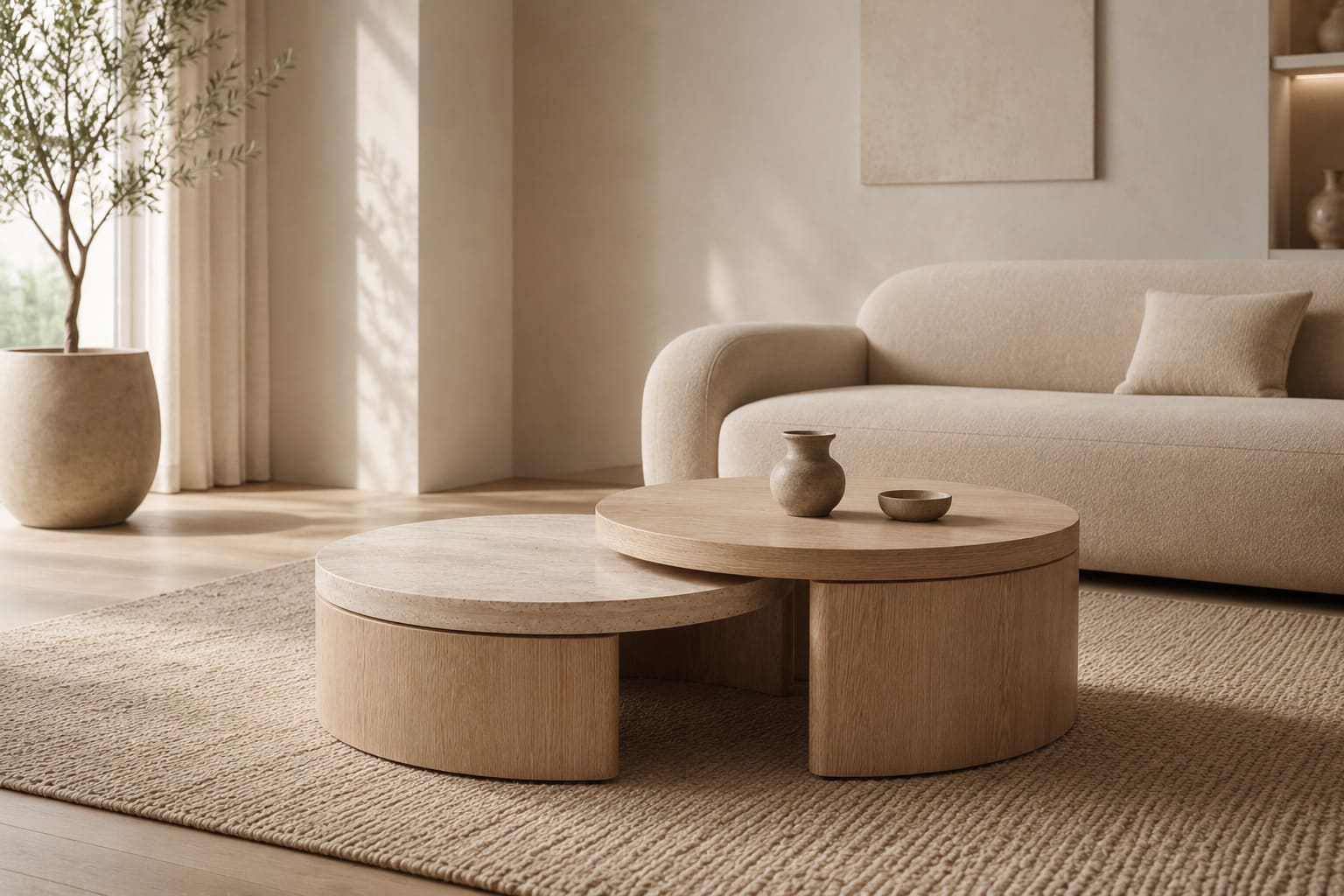
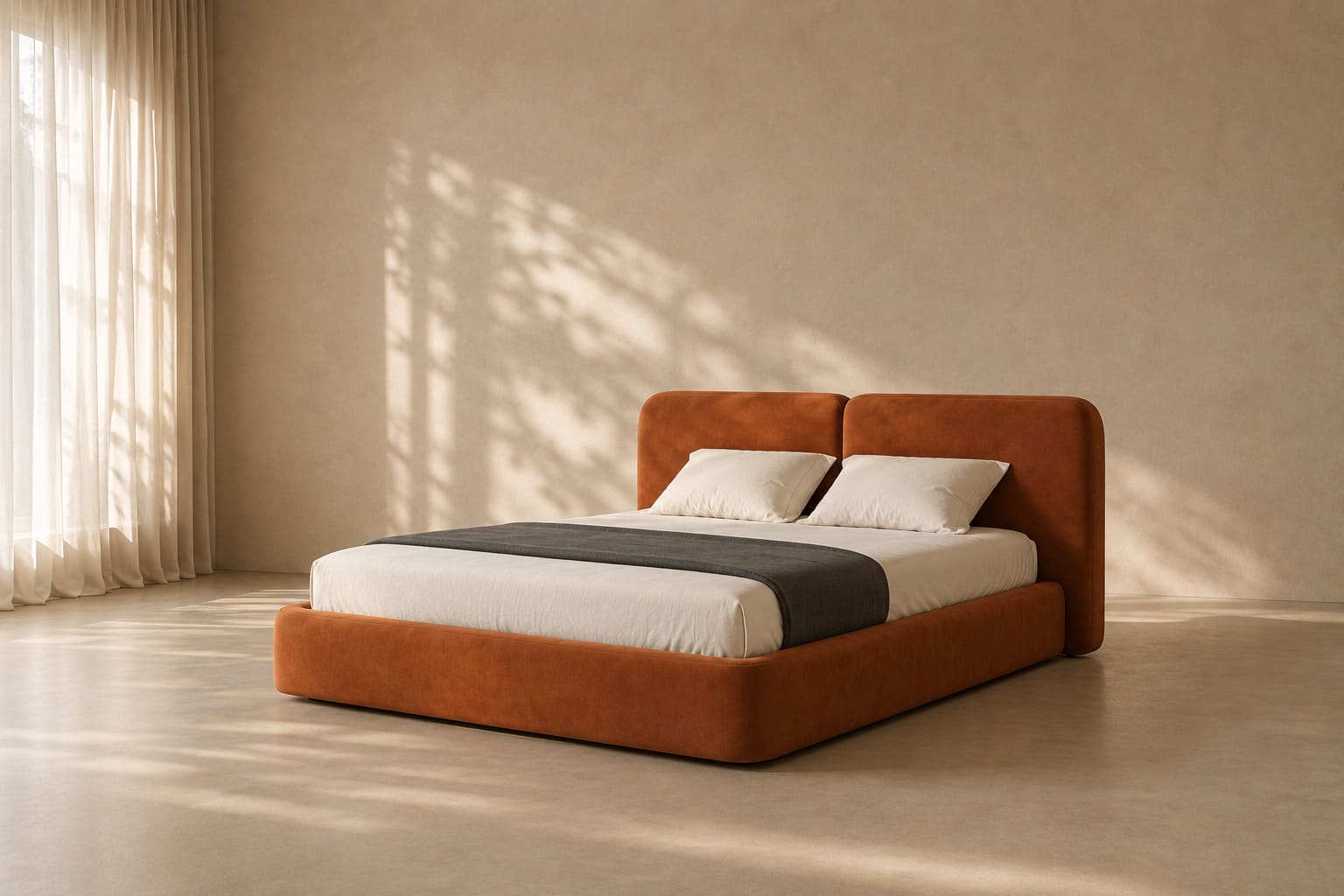
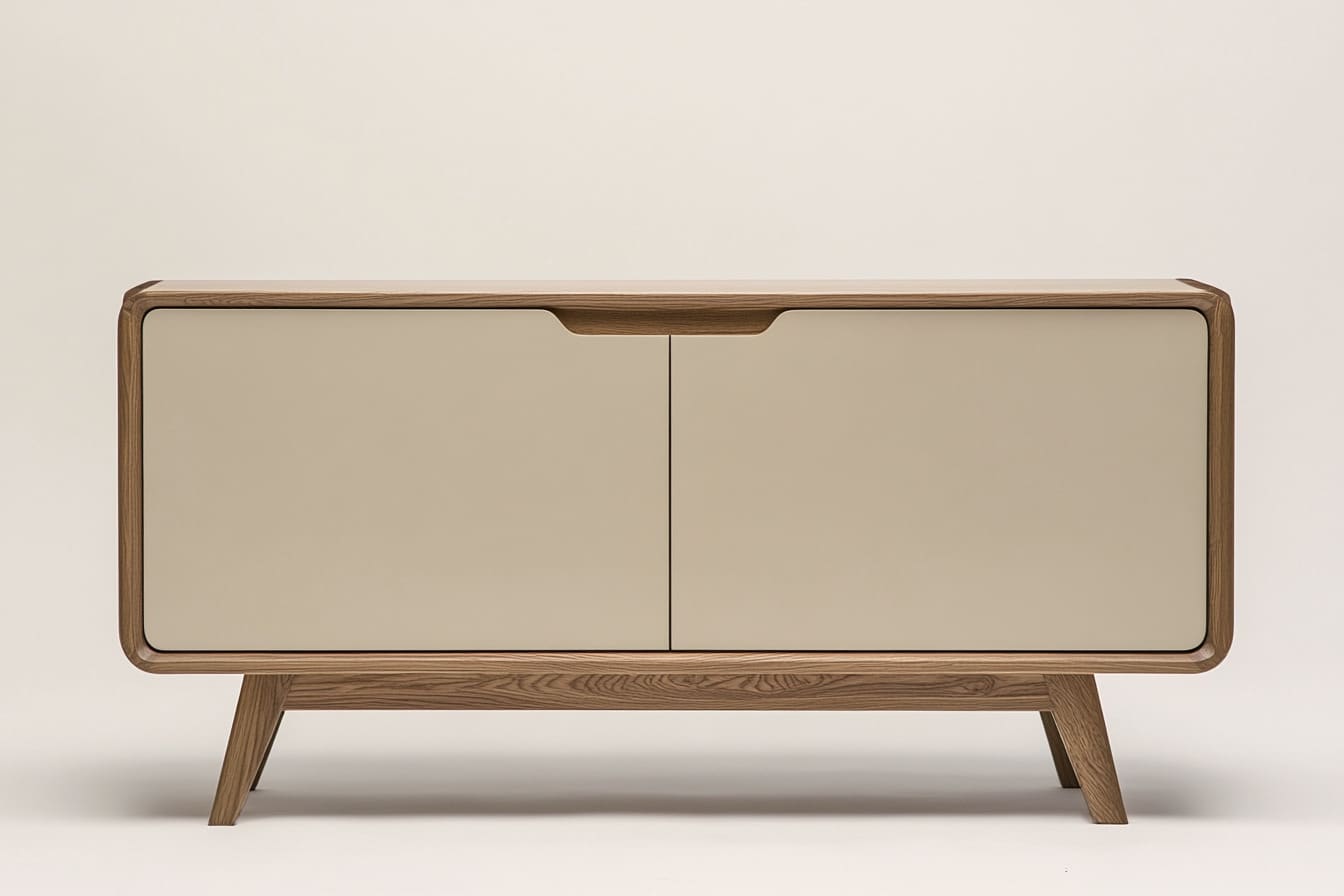
Furniship-developed products, adapted to your brand.
Seven categories in which Furniship has already developed products. Each one is a starting point rather than a finished answer — materials, dimensions, finishes, branding and packaging are adapted to the programme.
This is the private label and ODM route. If the starting point is your own design instead, the manufacturing pages describe how that works.
01The model
A starting point, not a catalogue.
A Furniship-developed product is a resolved piece: the construction is settled, the tooling exists where tooling is needed, and it has been made before. That is what makes it a faster route to market than developing from nothing.
It is not a fixed article. Cover, timber, finish, colour, leg, dimension, branding and packaging are all programme decisions, and a private label piece can move a long way from the product it started as.
Specifications are not published on this page. What a given piece is — dimensions, construction, materials, packing — is established as part of a programme rather than advertised, because it is what the programme decides.
02Categories
Seven categories.
Each links to the page that describes how that category is manufactured, and what has to be decided before it is.
Formats, constructions and materials within each category are not limited to what is shown.
03Adaptation
What changes, and what does not.
A private label programme starts from a resolved product and moves it. How far it moves is a programme decision.
Cover and material
Fabric, leather, timber species, metal finish.
Colour and finish
Across the piece or on a single component.
Dimensions
Where the construction supports it.
Components
Legs, bases, hardware and fittings.
Branding
Product and care labels, applied marks.
Packaging
Carton, protection and identification, built for your channel.
What does not change is who is accountable for it. The customer contracts with Furniship, and Furniship remains the accountable counterparty throughout the programme.